


The Importance of Hyperrealism in Modern Marketing
- Mar 27
- 3 min read
Updated: Apr 6
Why Hyperrealism Matters More Than Ever
Consumers today expect more than just pictures. They want to feel the product, understand its quality, and experience the brand’s identity before making a purchase. Hyperrealistic 3D textures provide this by simulating real-world materials with stunning accuracy. This approach helps brands:
Create stronger emotional connections by engaging multiple senses visually
Stand out in crowded marketplaces with unique, eye-catching visuals
Reduce return rates by giving customers a clearer idea of what to expect
Enhance storytelling through detailed, immersive brand experiences
According to a 2023 report by Marketing Week, brands using 3D textures in their campaigns saw a 30% increase in customer engagement compared to traditional photography.
How 3D Textures Replace Traditional Photography
Traditional photography captures reality but remains limited by physical constraints—lighting, angles, and the need for physical products. Hyperrealistic 3D textures, on the other hand, allow marketers to:
Manipulate materials digitally to highlight features impossible to capture in photos
Create consistent visuals across all platforms without reshoots
Adapt quickly to new trends or product changes without additional costs
Integrate interactive elements that invite user exploration
Tech startups, especially those in e-commerce, are adopting these methods to build dynamic product displays that customers can rotate, zoom, and inspect closely. This interactivity increases time spent on product pages and boosts conversion rates.
Key Benefits for E-Commerce Owners and Tech Startups
Brands that embrace hyperrealism gain several competitive advantages:
Improved product visualization
Customers can see textures like fabric weave, leather grain, or metal polish in detail, helping them make informed decisions.
Faster content creation cycles
Digital assets can be updated or repurposed instantly, reducing reliance on costly photoshoots.
Enhanced brand identity
Hyperrealistic textures become part of a brand’s visual language, making it instantly recognizable.
Better cross-channel consistency
Whether on websites, apps, or AR experiences, the same high-quality textures maintain brand integrity.
A case study from Wired magazine highlights how a tech startup increased sales by 25% after switching to 3D textured product images, noting that customers appreciated the “almost touchable” quality of the visuals.
Practical Examples of Hyperrealism in Marketing
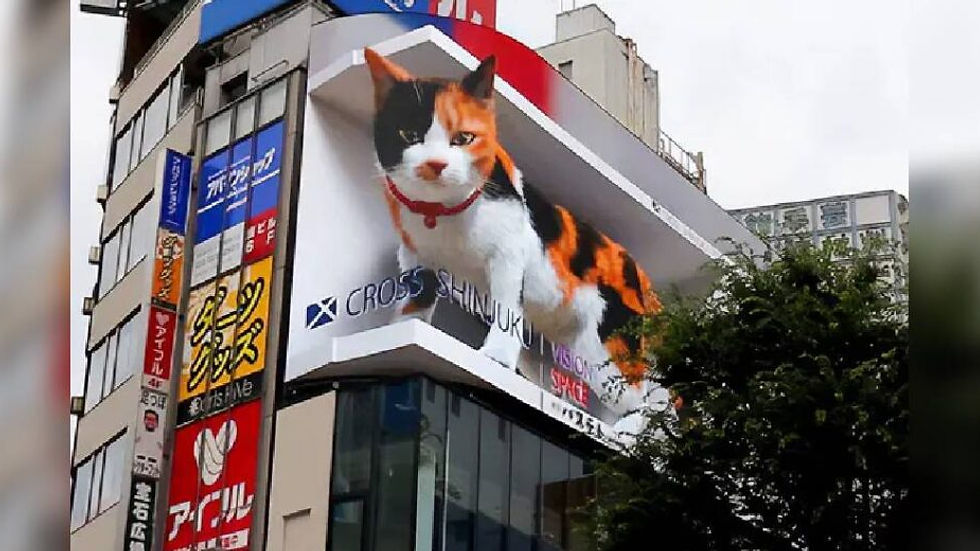
Several brands have successfully integrated hyperrealistic textures into their marketing strategies:
Luxury fashion brands use 3D textures to showcase fabric details and stitching, allowing customers to appreciate craftsmanship online.
Furniture retailers create virtual showrooms with realistic wood grains and fabric textures, helping buyers visualize products in their homes.
Tech gadget companies highlight sleek metal finishes and glass surfaces with hyperrealistic renders that emphasize quality and design.
These examples show how hyperrealism can elevate product presentation beyond what traditional photography offers.
Challenges and Considerations
While hyperrealism offers many benefits, brands should be aware of potential challenges:
Technical expertise required
Creating high-quality 3D textures demands skilled artists and powerful software.
Initial investment
Developing digital assets can be costly upfront, though it often pays off over time.
Balancing realism and creativity
Too much realism might limit creative expression; brands need to find the right mix.
User experience
Interactive 3D elements must be optimized for fast loading and mobile compatibility.
Despite these hurdles, the growing availability of tools and platforms is making hyperrealism more accessible to a wider range of businesses.
What the Future Holds for Hyperrealism in Marketing
The trend toward hyperrealism is set to grow as technologies like augmented reality (AR) and virtual reality (VR) become mainstream. Brands will increasingly use 3D textures not only in images but also in immersive experiences that blur the line between digital and physical worlds.
A recent analysis by Forbes predicts that by 2025, over 60% of e-commerce sites will incorporate 3D textured visuals as standard practice.
Key Takeaways
Hyperrealistic 3D textures create more engaging, tactile brand experiences
They replace traditional photography by offering flexibility and interactivity
E-commerce owners and tech startups benefit from improved conversions and brand consistency
Challenges exist but are outweighed by long-term gains
The future points to deeper integration with AR and VR technologies
Brands that adopt hyperrealism now will build stronger connections with customers and stand out in increasingly competitive markets.
Embracing the Future of Marketing
Ready to transform your brand experience with hyperrealistic 3D textures? Start exploring digital texture design tools today and see how your products can come alive in ways traditional photography never could. The future of marketing is tactile, immersive, and hyperreal. Don’t get left behind.
In this evolving landscape, it's essential to stay ahead. As you consider your next steps, remember that the integration of hyperrealistic textures can elevate your brand's presence. With the right approach, you can create a visual narrative that resonates deeply with your audience. Explore the possibilities and let your brand shine through innovative design.


Comments